Why Practical Knowledge Matters in Fitness Education: Bridging Theory and Real-World Application
Understanding muscle origins and insertions is essential, but applying that science during a live coaching session requires practical mastery. Explore why hands-on learning is non-negotiable.
Key Educational Takeaways
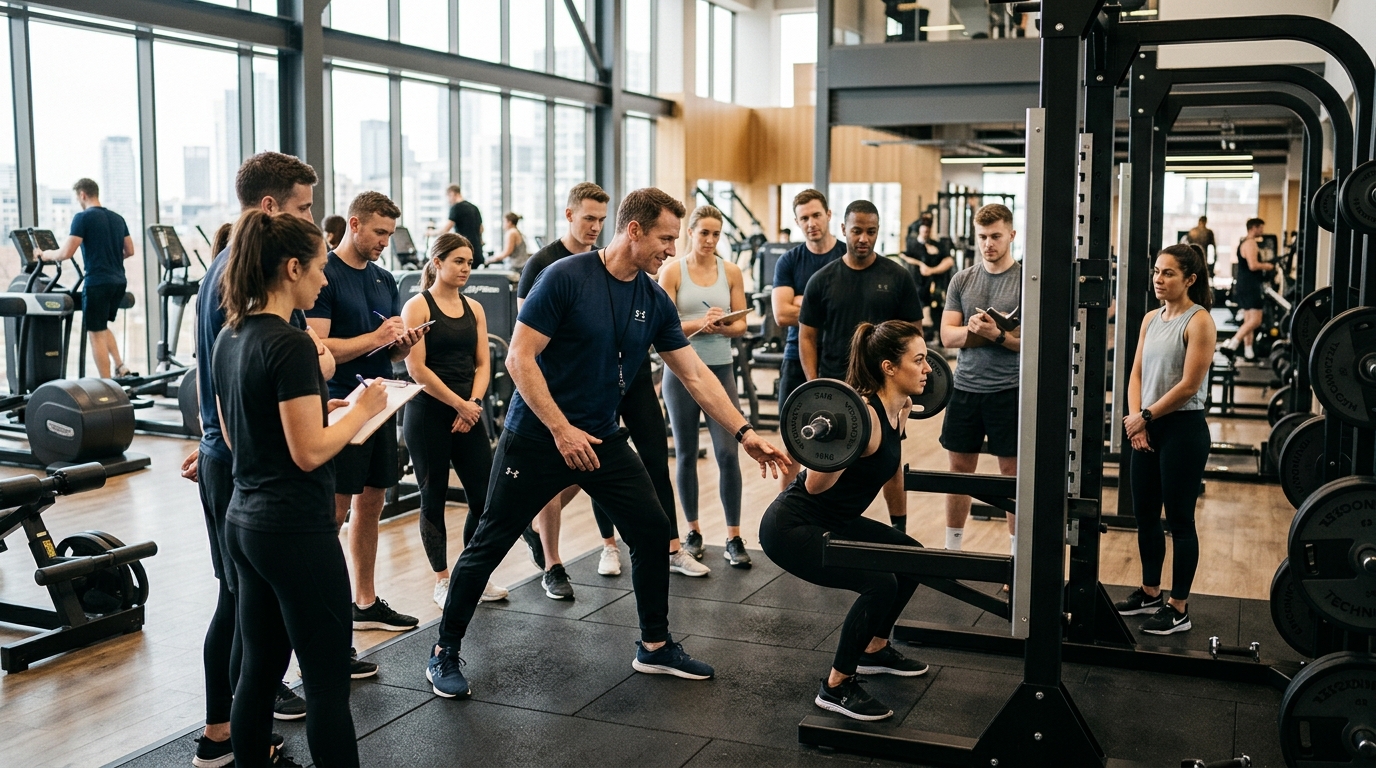
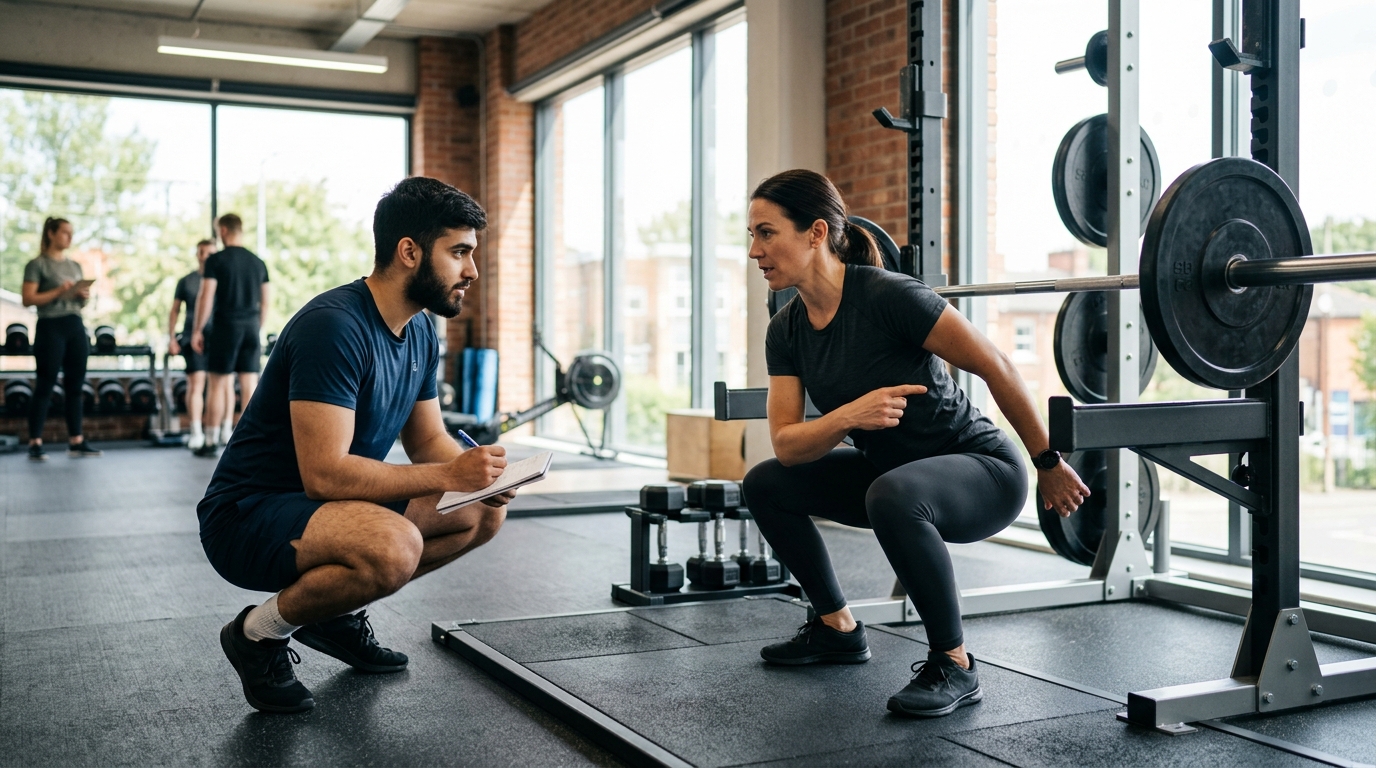
- No two human skeletons are identical; practical education teaches trainers how to modify squats, presses, and pulls for diverse limb lengths and joint structures.
- Over-cueing confuses clients; skilled practical coaches give concise, actionable cues that prompt natural movement solutions.
- Spotting is an active safety skill requiring proper body positioning, anticipation of fatigue, and physical readiness.
- High-quality education bridges theoretical biomechanics with real-time coaching instinct.
1. The Gap Between Textbook and Gym Floor
Memorising the origin, insertion, and innervation of the pectoralis major or gluteus medius is a vital foundational exercise in academic fitness study. However, knowing anatomy on paper does not automatically translate into helping a 55-year-old desk worker perform a pain-free dumbbell bench press or barbell squat.
Practical knowledge represents the bridge between static theoretical facts and dynamic human movement. It is the ability to observe a movement fault in real time, identify whether the issue is motor control, mobility, or load selection, and make an instant, effective coaching adjustment.
2. Anatomical Variation in Real Humans
Textbooks frequently depict idealized "standard" movement patterns. In reality, human anthropometry varies tremendously:
- Femur-to-Torso Ratios: Individuals with long femurs relative to their torso will naturally lean forward more in a back squat compared to those with short femurs. Attempting to force an upright torso without adjusting foot width or heel elevation causes unnecessary lumbar stress.
- Acetabular (Hip Socket) Depth and Orientation: Some individuals have anteverted hip sockets allowing easy narrow stance depth, while others have retroverted sockets requiring a wider, externally rotated foot placement.
- Glenohumeral Mechanics: Acromion morphology influences comfortable overhead pressing and lateral raise planes of motion.
A trainer trained only on generic guidelines will mistakenly label natural anatomical variations as "poor form", whereas a practically educated coach will adjust the setup to fit the person.
3. The Art of Coaching Cues and Immediate Feedback
One of the clearest marks of an educated coach is their cueing economy. Novice trainers often overwhelm clients with internal biomechanical jargon ("Contract your transverse abdominis and retract your scapulae"). Experienced practical coaches use concise external cues ("Push the floor away", "Show your chest to the wall", "Crush the oranges in your armpits") that produce immediate neurological corrections.
4. Spotting Protocols and Practical Safety
Spotting is not a casual task. Whether spotting a heavy dumbbell incline press at the wrists or assisting a barbell bench press from the head of the bench, proper base of support, grip, and readiness are essential safety requirements that can only be honed through practical instruction.
James Thorne
(Verified Educator)Vocational Fitness Instructor & Coach Mentor
Specialist in gym instructor development, practical movement assessment, and foundational exercise coaching for aspiring fitness professionals.
Frequently Asked Questions on This Topic
Why does NO1 Fitness Education emphasise practical workshops?
Because live coaching under tutor feedback is the only way to build confidence, fine-tune error detection, and master hands-on coaching skills.
Can I learn exercise technique solely through video tutorials?
Video tutorials provide great visual reference, but they cannot give you immediate feedback on your own body positioning or coaching delivery.
Academic & Professional Sources
- Biomechanics of Resistance Exercise — Human Kinetics (2022)
- Attentional Focus and Motor Learning in Exercise Coaching — Journal of Sports Sciences (2023)
Applied Exercise Science & Biomechanics
Develop practical coaching mastery with our structured curriculum in exercise science.